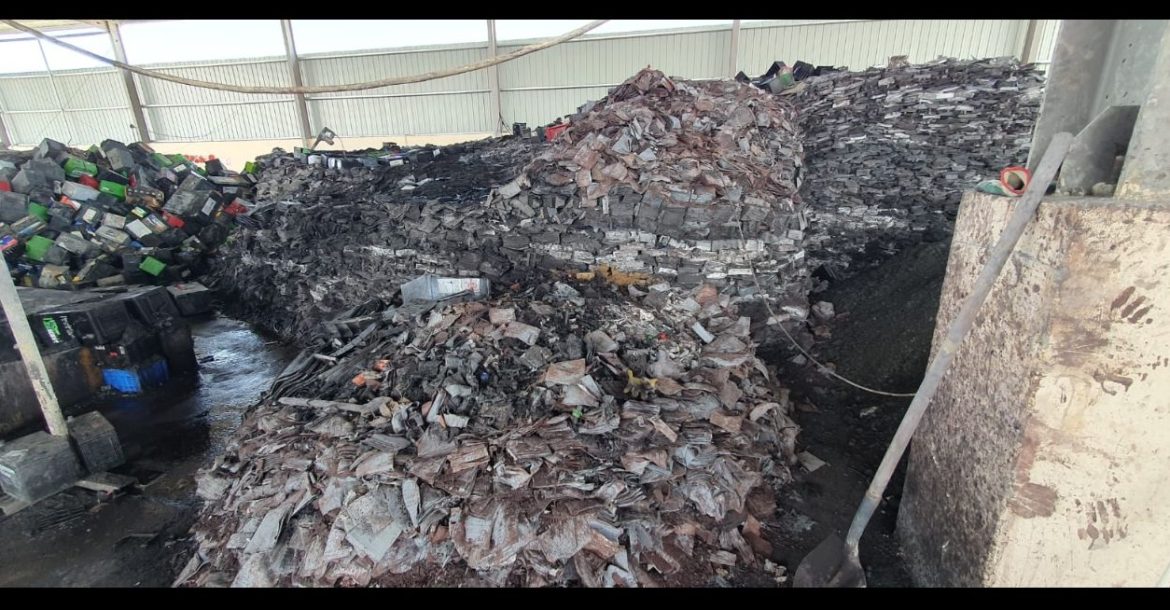

Muscat: The following cover story, based on inputs from a local expert, is structured to be an eye-opener, provoking TAS Weekly readers to initiate the change that can halt the environment alarm bells from turning shrill. The focus here is on creating awareness by revealing the hidden hazards of used batteries and the environmental impact of improper battery disposal.
An overview of the environmental impact of used batteries
The danger, as is obvious, lies in the toxic materials packed within lead acid batteries – lead, mercury, cadmium, and sulfuric acid are just a few culprits. When batteries end up in landfills, these toxins can leak into the soil and seep into our water sources. This contamination harms wildlife, pollutes the water we drink, and disrupts the delicate balance of our ecosystems.
Read More
- Oman, Iran agree framework for safe shipping corridor through Strait of Hormuz
- Thunderstorms, strong downdraft winds sweep parts of Oman
- Saudi Crown Prince sends written message to His Majesty Sultan Haitham
- Oman FM arrives in Tehran, discusses safe passage of ships through Strait of Hormuz
- CPA seizes 1,668 soft drinks, 177 expired juice cans in Oman
Improper disposal of various battery types creates unique problems. For example, lead-acid batteries, commonly found in vehicles, contain lead and sulfuric acid. When improperly discarded, they can contaminate soil and water, posing health risks.
Lithium-ion batteries, powering our electronics and electric vehicles, can cause fires and release harmful chemicals if not disposed of correctly; nickel-cadmium batteries, once common in electronics, contain cadmium, a toxic metal that can harm health if released into the environment; mercury batteries, less frequent today, can still contain mercury, a potent neurotoxin that disrupts ecosystems and harms human health; and alkaline batteries, used in household items, contain lower levels of toxins but can still leach harmful metals if not disposed of properly.
Proper recycling is paramount. Recycling facilities neutralize lead and sulfuric acid, recover valuable materials, and minimize environmental harm. Strict regulations are essential to safeguard ecosystems and human health.
Tackling improper battery disposal
Improper disposal of lead-acid batteries is a global concern, exacerbated by several key factors:
Lack of Awareness: Many remain unaware of the risks associated with lead-acid batteries, perpetuating improper disposal practices.
Inadequate Infrastructure: Limited access to recycling facilities prompts convenient yet improper disposal methods.
Informal Recycling: In some regions, informal recycling methods lacking safety regulations pose risks to workers and communities.
Weak Regulations: Insufficient regulations and lax enforcement allow improper practices to persist, leading to pollution and health risks.
Cost Concerns: Financial constraints may drive individuals and businesses to prioritize savings over proper disposal methods.
Global Trade: International trade of batteries complicates efforts, often leading to disposal in regions with lax regulations.
Lack of EPR Programs: Absence of Extended Producer Responsibility programs lets manufacturers off the hook for proper disposal.
Addressing these challenges requires a holistic approach, including education, regulation strengthening, infrastructure investment, and sustainable management practices. Collaboration among stakeholders is crucial for effective solutions.
Innovative battery recycling solutions
As battery usage surges, so does the challenge of environmental impact. But new tech offers hope:
1. Advanced Recycling: Cutting-edge recycling technologies are being developed to extract valuable materials like lead, sulfuric acid, and plastic casings from used batteries more efficiently, while minimizing energy consumption, emissions, and waste generation.
2. Closed-Loop Systems: Batteries are recycled and reused in a circular framework, reducing resource dependence. In these systems, used batteries are collected, recycled, and utilized to manufacture new batteries within a closed-loop framework.
3. Hydrometallurgy: In these systems, used batteries are collected, recycled, and utilized to manufacture new batteries within a closed-loop framework. Aqueous solutions extract metals, with lower emissions and wider material recovery.
4. Bioremediation: Bioremediation harnesses the power of microorganisms to break down and detoxify contaminants in the environment, including hazardous substances from used batteries like lead, offering natural soil and water cleanup.
5. Alternative Chemistries: Research and development efforts are underway to develop alternative battery chemistries that are less toxic and more environmentally friendly than lead-acid batteries.
6. Extended Producer Responsibility (EPR) Programs: EPR programs shift the responsibility for the end-of-life management of products, such as lead-acid batteries, from consumers to manufacturers for recycling, promoting sustainable product cycles.
7. Blockchain Tracking: Blockchain and other digital technologies are being explored to improve traceability and transparency in the battery supply chain, from raw material extraction to end-of-life recycling.
These innovations promise a greener future for battery disposal and environmental sustainability.
Empowering communities in battery recycling
In the quest for a greener future, the responsibility of mitigating the environmental impact of used batteries falls not only on governments and corporations but also on individuals and communities. Here’s how all of us, as ordinary citizens, can make a significant difference:
Proper Disposal: The journey to responsible battery management begins with proper disposal. Individuals should take used lead-acid batteries to designated recycling centers, collection points, or authorized retailers rather than tossing them in the trash. Many communities offer battery recycling programs or drop-off locations to facilitate safe disposal.
Education and Awareness: Communities can spearhead awareness campaigns to educate residents about the importance of proper battery disposal. By shedding light on the environmental and health risks associated with improper disposal, educational initiatives empower individuals to make informed decisions and take action to protect their surroundings.
Support Recycling Initiatives: Communities can throw their weight behind local recycling initiatives and programs aimed at collecting and recycling lead-acid batteries. Organizing community collection events, promoting battery recycling services, and collaborating with local businesses and organizations can bolster recycling efforts and strengthen recycling infrastructure.
Promote Reuse and Reconditioning: Encouraging the reuse and reconditioning of lead-acid batteries can extend their lifespan and reduce waste. Communities can promote battery reconditioning services or establish battery exchange programs where old batteries can be traded in for refurbished ones, promoting resource conservation and minimizing environmental impact.
Advocate for Policy Change: Individuals and communities can advocate for policy change at various levels of government to promote responsible battery management practices. Supporting extended producer responsibility (EPR) programs, advocating for stricter enforcement of environmental regulations, and incentivizing sustainable battery recycling practices can drive positive change in battery recycling policies.
Encourage Sustainable Alternatives: Communities can advocate for the adoption of alternative battery technologies with lower environmental impact, such as lithium-ion or nickel-metal hydride batteries. By promoting cleaner and more sustainable battery technologies, communities can reduce the overall environmental footprint of battery use and contribute to a greener future.
Participate in Cleanup Efforts: Taking part in cleanup efforts is another way that individuals and communities can contribute to environmental protection. Volunteering for community clean-up events, joining local environmental organizations, and supporting initiatives to remediate contaminated sites help remove hazardous waste like lead-acid batteries from the environment and safeguard human health.
Together, we can ensure that the convenience of batteries doesn’t come at the cost of a damaged environment. Let’s make responsible battery disposal a habit and protect our planet for generations to come.





