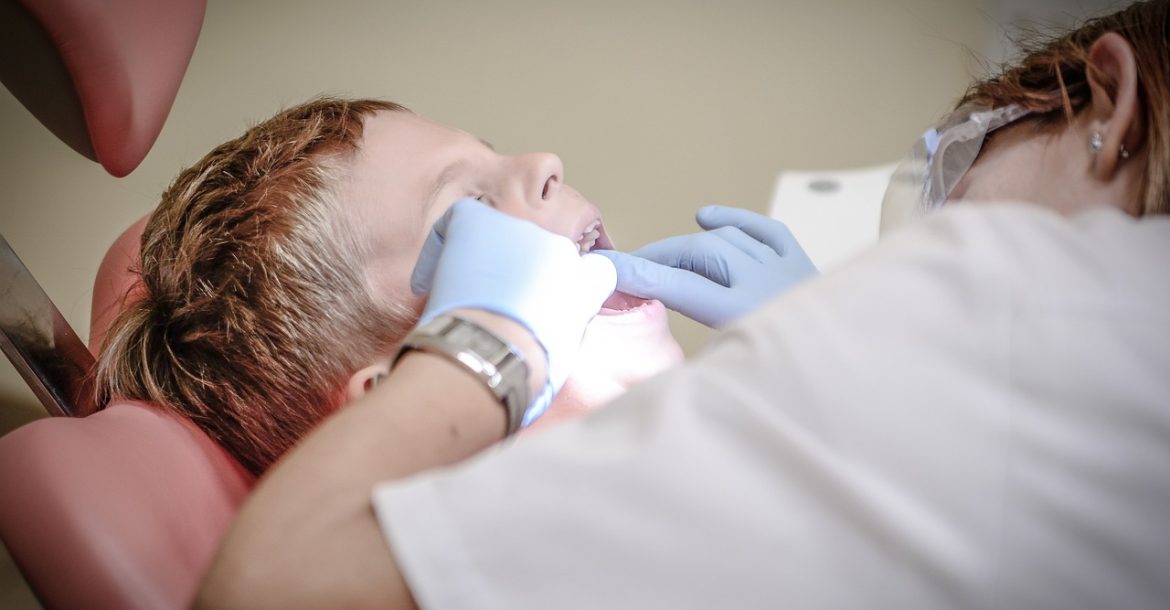

MUSCAT : According to the WHO Global Oral Health Status Report of 2022, approximately 3.5 billion individuals worldwide are affected by oral diseases, a staggering number that emphasizes the need for immediate action. Dental caries (tooth decay), periodontal diseases, tooth loss, oral cancers, and other conditions pose significant challenges, particularly in middle-income countries, where 3 out of 4 affected individuals reside.
One of the alarming statistics revealed by the report is that an estimated 2 billion people suffer from caries of permanent teeth, with an additional 514 million children experiencing caries of primary teeth. This trend is exacerbated by factors such as inadequate exposure to fluoride, high sugar consumption, and limited access to oral healthcare services, especially in communities with poor living conditions.
Periodontal (gum) disease, affecting nearly 19% of the global adult population, is exacerbated by poor oral hygiene and tobacco use. Edentulism (total tooth loss) affects millions worldwide, impacting individuals’ psychological well-being and overall quality of life. Furthermore, oral cancer remains a significant concern, particularly in men and older individuals, with tobacco, alcohol, and betel nut use identified as leading causes.
Read More
- Mexico, Peru restore diplomatic ties after nine-month rift
- Abelardo De La Espriella officially sworn in as Colombia’s President
- Iran, Oman reach ‘general framework’ on Strait of Hormuz arrangements
- Sri Lanka prison riots leave 3 dead, more than 20 injured
- Seven dead, 15 injured in Thailand high school shooting
The WHO emphasizes that prevention is critical to addressing these oral health challenges. Public health interventions targeting modifiable risk factors like tobacco use, alcohol consumption, and unhealthy diets high in sugars can significantly reduce the burden of oral diseases. The WHO outlines essential strategies to promote balanced diets, encourage regular tooth brushing with fluoride toothpaste, and advocate for universal access to oral health services.
In response to the growing crisis, the World Health Assembly adopted a Resolution on oral health in 2021, advocating for a shift towards preventive approaches and the inclusion of oral health within universal health coverage programs. The recently adopted global strategy on oral health aims for universal health coverage for oral health by 2030, with a comprehensive action plan currently in development.
For all the latest news from Oman and GCC, follow us on Twitter, Instagram and LinkedIn, like us on Facebook and subscribe to our YouTube page, which is updated daily.





