

3.3 million years ago – The first tools
1 million years ago – Fire
20,000 to 15,000 years ago – Neolithic Revolution
Read More
- Meta introduces Facebook feature allowing users to control suggested content
- Meta bets beyond smartphones with new pocket-sized AI device ‘Charm’
- OpenAI CEO Sam Altman to brief UNSC amid growing calls for AI safeguards
- Meta rolls out parental supervision on Threads in Asia-Pacific, expands controls for teens under 16
- Meta agrees to report child abuse cases to Indian authorities
6000 BCE – Irrigation
4000 BCE – Sailing
1200 BCE – Iron
850 CE – Gunpowder
950 – Windmill
1044 – Compass
1250–1300 – Mechanical clock
1455 – Printing
1765 – Steam engine
1804 – Railways
1807 – Steamboat
1826/27 – Photography
1831 – Reaper
1844 – Telegraph
1876 – Telephone
1876 – Internal combustion engine
1879 – Electric light
1885 – Automobile
1901 – Radio
1903 – Aeroplane
1926 – Rocketry
1927 – Television
1937 – Computer
1942 – Nuclear power
1947 – Transistor
1957 – Spaceflight
1974 – Personal computer
1974 – Internet
2012 – CRISPR
2017 – Artificial Intelligence
That’s how long it took for humanity to introduce plans to deviate from self-reliance to complete automation, well, almost. If you have been closely following the developments of CES this year and the mind-boggling innovations humanity has concocted, then you know what this year was all about.
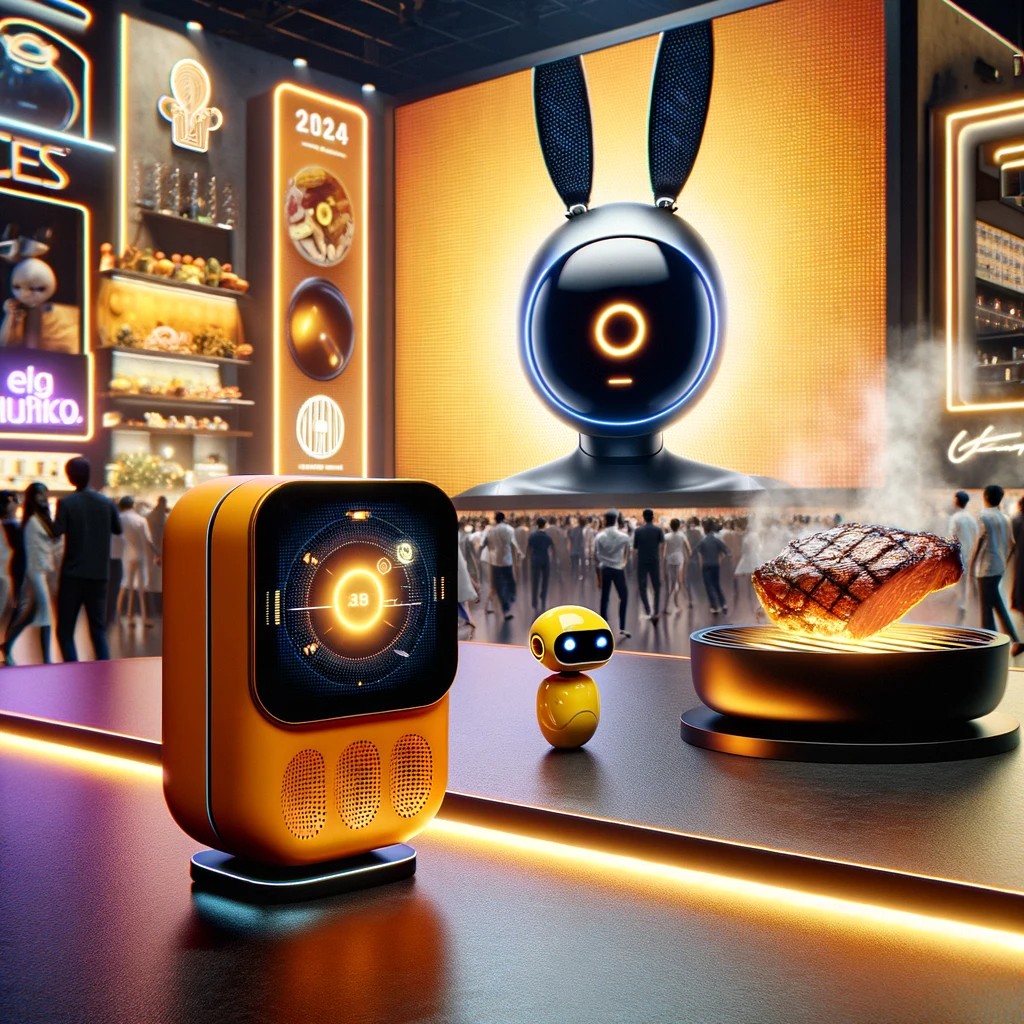
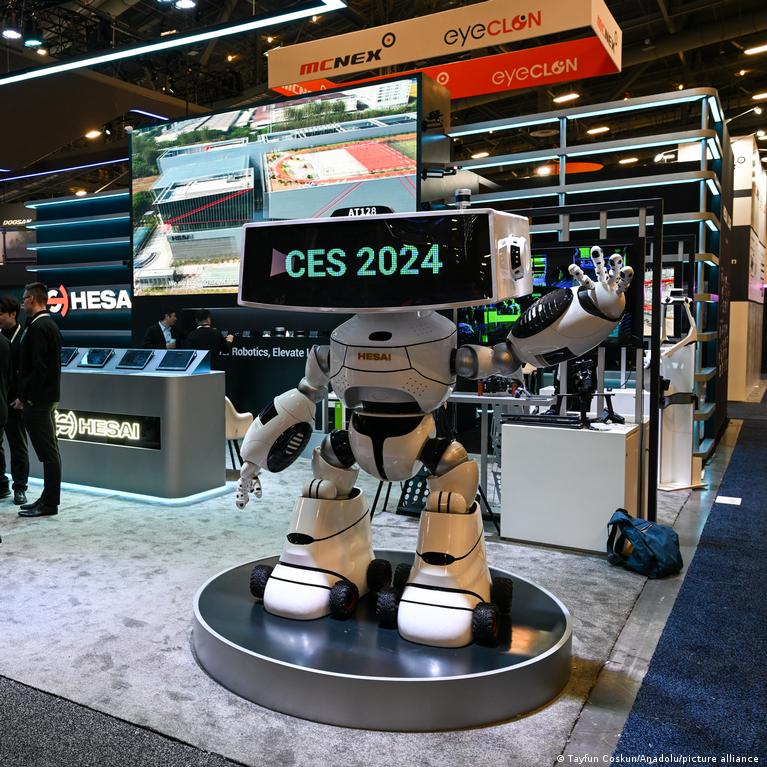
You have heard this repeatedly across all domains and in every little snippet of news you scroll through on social media: AI! But have you ever stopped to wonder about the effects of relying on technology to a point where we have now ultimately let go of control and rely on dots and digits?
From AI-powered catflaps (Yes! That’s a thing now) to cars with AI DJs, CES 2024 was about complete trust in AI and automation. What about the days you would personally curate your playlist for those long drives? And when did we accept that conversations with real humans rather than AI chatbots were too dull or redundant?
As the world grapples with a transformative future with AI leading the charge, stats show that the global artificial intelligence market size is projected to expand at a compound annual growth rate (CAGR) of 37.3% from 2023 to 2030. It is projected to reach $1,811.8 billion by 2030.
Artificial Intelligence has helped us realise the potential of the future, but using AI to replace every little aspect of our lives can lead to digital dependency rather than self-dependency. If the past is relevant to determine the future, then we know what the foundation for the Gen-Z crowd will look like. Studies have shown a drastic loss in concentration and reliance on technology for the smallest tasks. Are we masking our lack of interest in carrying out simple tasks by declaring the advancement of technology, or are we really stunting our growth, eventually forgetting what it truly means to be free?





