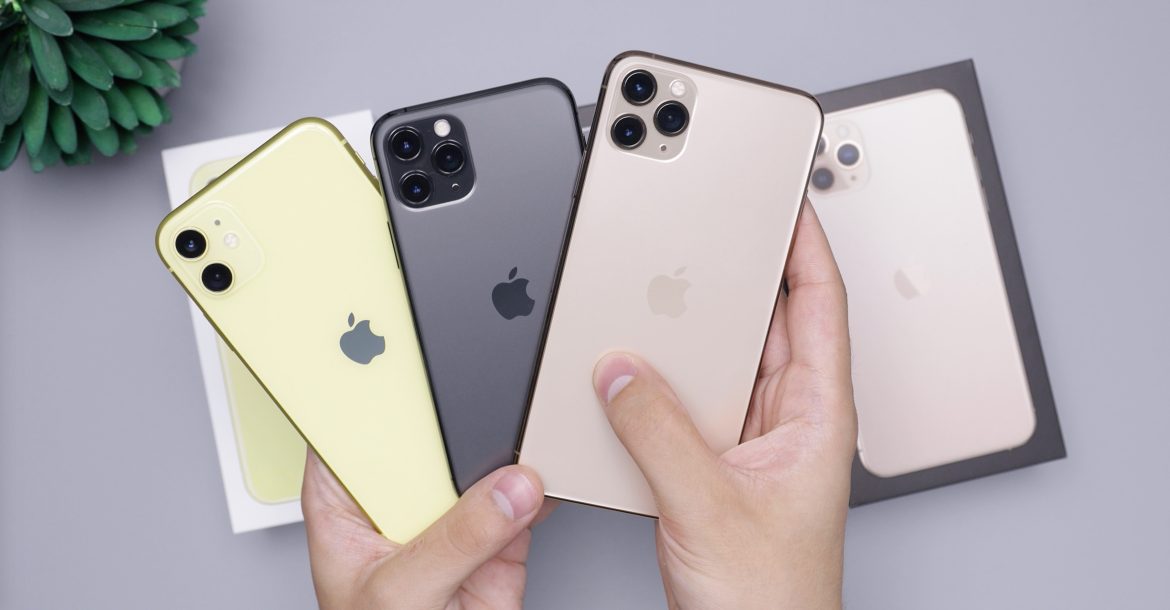

According to you, what are the main factors of a good smartphone? Do you think a good smartphone is all about having one standout feature, or do you prefer an all-rounder? As a new year has dawned on us and the wheels of progress have yet to show signs of slowing down, let’s look at where we are headed with smartphones.
Marques Brownlee (MKBHD), a popular tech YouTuber, often crowns a great smartphone based on key pillars such as ‘Performance’, ‘Battery Life’, ‘Ecosystem’, and ‘Camera’, and with significant progress being made in every spectrum regarding these pillars, let’s divide our predictions and analysis on these factors too.
Performance
Read More
- Meta introduces Facebook feature allowing users to control suggested content
- Meta bets beyond smartphones with new pocket-sized AI device ‘Charm’
- OpenAI CEO Sam Altman to brief UNSC amid growing calls for AI safeguards
- Meta rolls out parental supervision on Threads in Asia-Pacific, expands controls for teens under 16
- Meta agrees to report child abuse cases to Indian authorities
‘Snapdragon’, ‘Tensor’, ‘Exynos’, ‘MediaTek’, etc. are just a few of the many names that float around the smartphone space when we think about performance. These chipset manufacturers play a crucial role in determining how we interact with our smartphones and how long we can continue using that device. With chipsets becoming smaller with time, we are looking at smaller 2-nanometer chipsets that aim to increase efficiency and give you better performance. With more neural cores aimed at AI functionalities, especially with Google Tensor chips, other manufacturers have joined the AI bandwagon.
Battery Life
Endurance is the name of the game! With smartphone manufacturers relying heavily on fast charging, every iteration of smartphones supports this feature. Attention spans are reducing, and with users finding innovative ways to be more productive, smartphones are expected to perform better every year and last longer, no matter the budget. Stacked battery technology represents an innovative method of arranging a battery’s internal components. Comparable to a multi-level parking garage versus a single-level one, stacked battery technology represents an innovative method of setting up a battery’s internal components; instead of a conventional flat-layered configuration, this technique stacks components on top of each other.
Ecosystem
For decades, Android and IOS have been dominating the software space when it comes to smartphones. These ecosystems have been spread across various devices that all link to our smartphones, giving us 2 significant choices to make when we talk about our interaction with technology. We probably saw this coming, but AI is where these two ecosystems are headed. With conglomerates like Microsoft implementing ChatGpt and its benefits right into Microsoft Bing and eventually across other core system functionalities, we see Google and Apple following the same trend.
Camera
You know where this is going if you have been reading up diligently. Yes, AI, yet again! Time and time again, smartphone manufacturers have experimented with megapixels and various sensor sizes, but if you have been following Google and Apple, one thing they have in common is their ability to fine-tune the camera, irrespective of its megapixel size, to take great pictures. Samsung, Xiaomi, and other smartphone manufacturers have offered awe-inspiring tech like 200-megapixel cameras and 1-inch sensor sizes. However, smartphones with significantly lower stats have produced better pictures, all thanks to software. With AI in the mix, the next-gen of smartphones is already lined up with an array of AI features, with the first smartphone to take up that banner being the Google Pixel 8/8 Pro.
We are headed to a future that is gearing up for a paradigm shift in tech. It’s been challenging to predict what AI is capable of; with that in mind, the sky is definitely the limit, but at what cost?





