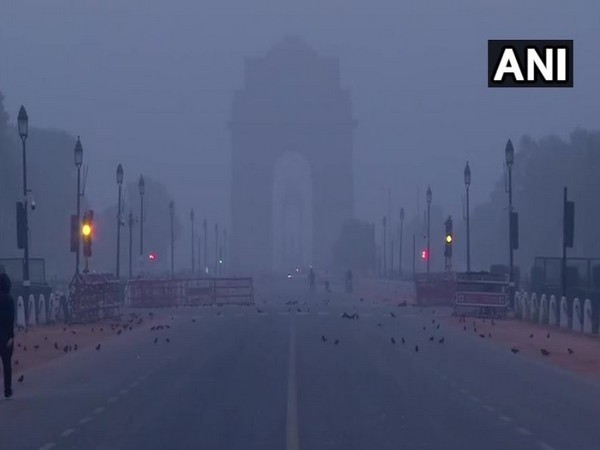

NEW DELHI – The AQI, a vital indicator of air pollution levels, categorizes values from 0 to 100 as good, 100 to 200 as moderate, 200 to 300 as poor, and 300 to 400 as very poor. Beyond 400 signifies severe pollution, posing substantial health risks to residents. The index simplifies complex pollutant data into a single number, allowing for easier comprehension and visual representation. Recent efforts to curb pollution in Delhi showed some progress last week, prompting the Commission for Air Quality Management (CAQM) to revoke restrictions imposed under GRAP 4. The lifted constraints now permit the entry of trucks and buses, except for BS-3 and BS-4 petrol and diesel vehicles, while also sanctioning ongoing construction activities.
In response to ongoing concerns over stubble burning exacerbating air pollution, the Supreme Court suggested contemplating economic consequences for farmers engaged in this practice. The Court proposed the deprivation of Minimum Support Price (MSP) benefits as a potential measure to deter stubble burning, emphasizing the need for concerted efforts to address the region’s hazardous air quality conditions.
Read More
- Iran’s Foreign Minister confirms continued exchange of messages with US
- IRGC says Strait of Hormuz to open only after US “fully” accepts Iran’s conditions
- PM Modi speaks to JD Vance, discusses ways to deepen India-US partnership
- Fire extinguished in Saudi’s Aramco facility in Jazan after suspected targeting; no injuries reported, says Energy Ministry
- Mexico, Peru restore diplomatic ties after nine-month rift





