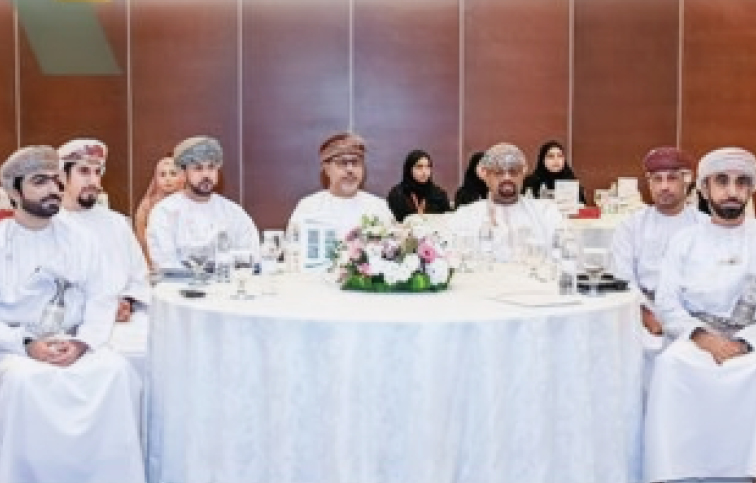

Muscat: “Juvenile delinquency constitutes a growing threat to society’s security, stability, development plans, and family structure,” observed Fahd Zaher Al Fahdi, Director of the Juvenile Affairs Department at the Ministry.
He was speaking at the launch of the Social Inspectors Forum on ‘Non-custodial Provisions and Measures in Juvenile Justice’.
The two-day Forum, organized by the Ministry of Social Development and represented by the Department of Juvenile Affairs, began on Tuesday, October 3, under the patronage of H.E. Sayyid Salim Musallam Al Busaidi, Undersecretary of the Ministry of Labour for Human Resources Development.
The Forum aims to review alternative non-custodial measures in juvenile justice and to identify the role and efforts of various departments and institutions in the Sultanate of Oman in facilitating the implementation of rulings and measures, as well as creating continuous partnership and cooperation among various sectors to limit the problems of juvenile delinquency.
It seeks to come up with results, indicators and recommendations on the mechanism for implementing alternative provisions for non-custodial measures in a manner that serves the interest of the juveniles, and benefiting from Arab developments in the same field.
Speaking at the opening, Al Fahdi said, “The Ministry of Social Development has adopted the ‘2016-2025’ social work strategy pertaining to social protection as one of the basic pillars that seek to provide the necessary social care and protection within the ministry’s development plans and programmes.”
The Forum saw the presentation of five papers from Suleiman bin Saif al Nabhani, President of Muscat Court of First Instance; Dr Rashid bin Obaid al Kaabi, Assistant Public Prosecutor; Masoud bin Saeed al Mahrezi, a legal researcher in the Ministry of Labour; Masoud bin Saeed al Mahrezi, a legal researcher in the Ministry of Labour; and Dr Mona bint Saeed al Shukaily, Psychiatry Consultant at Al Masarra Hospital.
Following are the important points highlighted by the speakers:
- Introducing the Juvenile Accountability Law and the alternative provisions associated with it, such as care and correctional measures for juveniles.
- Omani judiciary provides alternative penalties to custodial penalties if they are proportionate to the crime committed and are sufficient to reform the convict.
- Article 98 of the Omani Labour Law prohibits employing minor workers of both sexes or allowing them to enter the workplace unless they reach the age of fifteen (it is permissible by a decision of the Minister to raise this age in some industries, businesses and professions).
- According to the Article 99 of the Omani Labour Law, a juvenile may not be assigned to work overtime, or kept in the workplace after his scheduled appointments, nor may he be employed on weekly rest days or official holidays.
- Psychological effects of traditional punishments include psychological stress, anxiety, and an increased risk of depression, inability to integrate socially.
- Psychological theories and their application to alternative punishments, such as positive behavior theory and role model theory.
Read More
- Oman and Russia discuss expanding economic and investment ties
- Oman equestrian forum calls for committee to expand women’s participation
- Faisal Al Rawas puts private sector at centre of second term as Oman Chamber chairman
- Oman’s Al Hoota Cave draws nearly 3,900 visitors during National Day holiday
- Unlicensed fundraising in Oman carries fines of up to RO 1,000, three-month jail term