
Celebrations to mark the beginning of a new year have been around for thousands of years. While in some places these celebrations were an opportunity for people to get together, eat, drink, and have fun, in other areas, the New Year celebrations were linked to the land or astronomical events. For instance, the beginning of the year in Egypt coincided with when the River Nile flooded, which generally happened when the star Sirius rose. Similarly, the Persians and Phoenicians started their new year at the spring equinox, which is around 20 March when the Sun shines more or less directly on the equator and the length of the night and the day are almost the same.
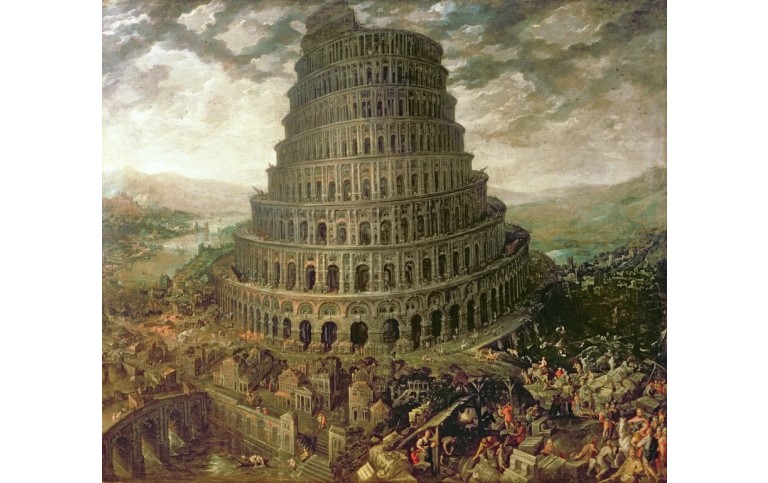
However, the earliest recorded celebration of a new year was around 4,000 years ago in the city of Babylon in ancient Mesopotamia. The Babylonians held their celebrations on the first new moon after the spring equinox and called this festival Akitu (which comes from the word the Sumerians used for barley), which involved a different ritual on each of the 11 days that the celebration lasted. During the celebrations, statues of the gods were carried through the streets of the city, making Babylonians believe that their world had been cleaned to prepare for the new year and a new spring.
Read More
- Oman and Kazakhstan explore wider economic cooperation
- Muscat Municipality urges public to avoid illegal Eid livestock sales in Seeb
- Oman, Kazakhstan explore means of enhancing economic and investment cooperation
- Oman’s North Batinah Governorate reviews key development projects for 2027
- CBSE’s new 3-language policy allows exemptions for Indian schools in Oman
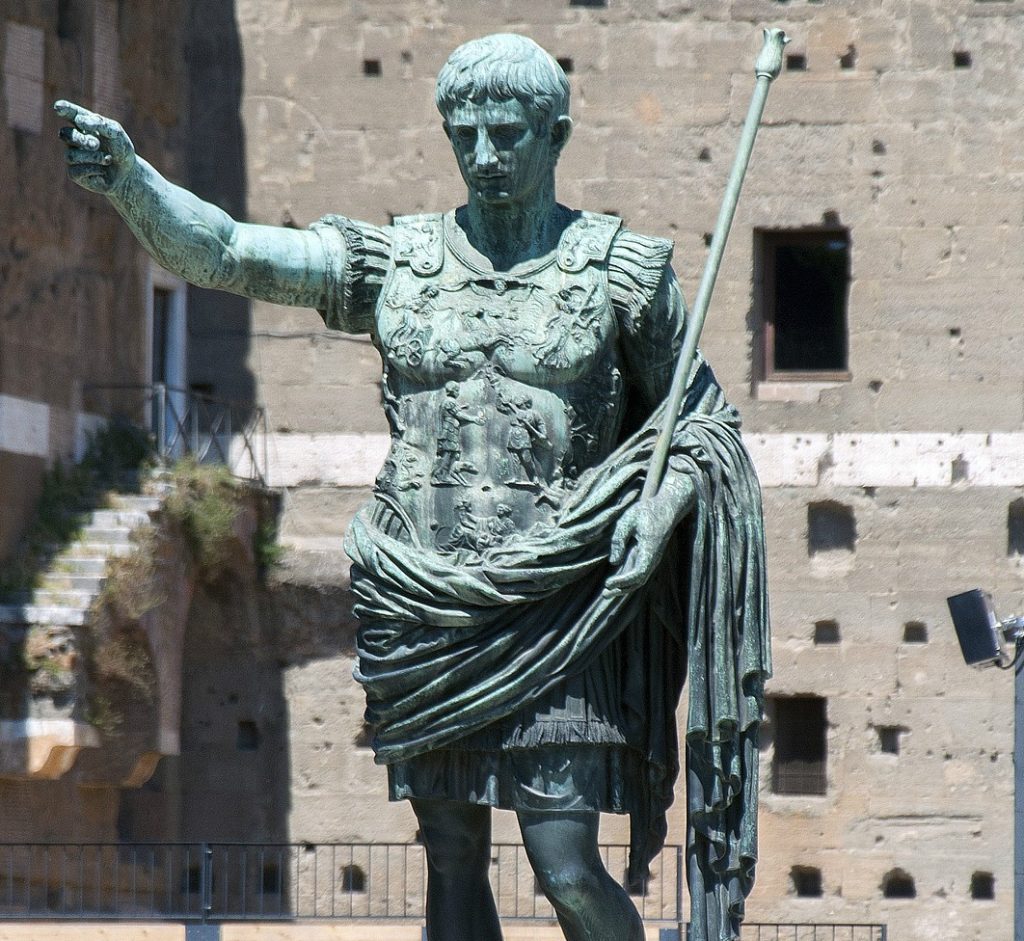
But the shift towards celebrating New Year’s Eve on 31st December and New Year on 1st January came much later, during the reign of the Roman Monarch Julius Caesar. The Julian Calendar was the first to decree the 1st of January as the first day of the year. The early Roman calendar, created by Romulus, the founder of Rome, in the eighth century B.C., consisted of 10 months and 304 days, with each new year beginning at the vernal equinox. The months of Januarius and Februarius were added later by the Roman king Numa Pompilius. However, the calendar soon fell out of sync with the sun, and in order to realign the Roman calendar, Julius Caesar, the then Monarch, consulted the most prominent astronomers and mathematicians and added 90 extra days to the year 46 B.C. when he introduced his new Julian calendar, which closely resembles the more modern Gregorian calendar that most countries use today. As part of his reform, Caesar instituted January 1 as the first day of the year, partly to honor the month’s namesake: Janus, the Roman god of beginnings.





