

MUSCAT: Oman’s financial wealth will experience a sturdy Compound Annual Growth Rate (CAGR) of 5.2% in new wealth, according to a new report by Boston Consulting Group (BCG), titled, Global Wealth 2022: Standing Still Is Not an Option.
“We see the Middle East and Africa financial wealth growing year after year, including Oman, despite a tremulous global market,” said Mustafa Bosca, Managing Director and Partner, BCG.
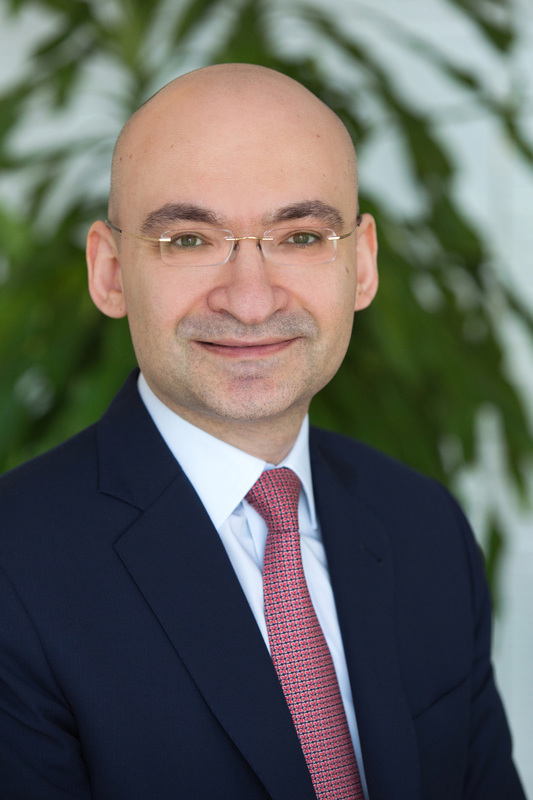
“Oman’s financial wealth shows positive prospects having grown 4% every year since 2016 to USD 69.3 billion in 2021 and is expected to continuously grow to 2026. Additionally, approximately 12% of Oman’s wealth derived from Ultra High Net Worth (HNW) segment in 2021, which are individuals who are worth more than USD 100 million.”
Read More
- Wali of Muttrah reviews Aint Marina project progress, hears residents’ concerns
- Omani citizen convicted over social media video, phone confiscated and account closed
- Oman Foreign Minister to visit Tehran for talks on Strait of Hormuz
- Cooler days ahead in Oman? Suhail star signals traditional shift in seasons
- Oman’s citizens can enter Botswana without visa for 90 Days, Ministry confirms
Net-zero is an immediate imperative
Although people tend to think of net-zero as a 2050 goal, the report notes that wealth managers must act immediately to embed sustainable investing across the entire client life cycle.
Crypto: An untapped market for wealth managers
The opportunity for wealth managers is clear: nearly 80% of clients surveyed said that they would consider increasing their crypto holdings if wealth managers offered advisory and education services. Two-thirds of clients who sourced their crypto investment with third parties said that they did so because they didn’t think their wealth managers offered such services. To determine whether crypto is right for their businesses, wealth managers must consider if, when, and how they want to participate.
Personalisation as a driver of top-line growth
On average, wealth managers that excel at customising offers and interactions see higher rates of client satisfaction and lower rates of churn than others do. Personalisation is a complex undertaking that requires introducing new data and analytics, connecting processes across the firm’s front, middle, and back offices, and changing ways of working. In the report, BCG identifies three actions that wealth managers vying to deliver individualised service at scale can take to improve personalisation: prioritise capabilities that recur across journeys; design for value and scale; and back good ideas with the right enablers.
Digital wealth management premium is real
The valuation multiples of digital wealth management firms are six or seven times as high as those of traditional wealth managers. Digital wealth management institutions are delivering faster customer growth, cheaper cost structures, and superior rates of innovation. To protect their future profitability, traditional wealth managers must evolve with the times.
“The wealth management agenda is getting more crowded—and the items on it more urgent. Net-zero, crypto, personalisation, and digitisation are not merely arenas that leaders can simply consider. They are imperatives whose outcomes will determine which institutions grow client share over the next five years. The most important question facing wealth managers right now is not which initiatives to prioritise—but how best to execute on all of them,” concluded Bosca.





