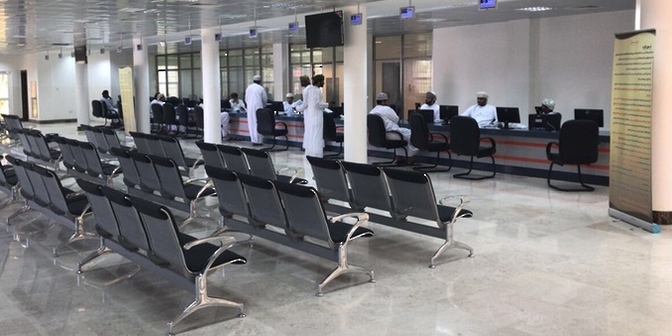

MUSCAT: Starting from today (May 15, 2022), the Ministry of Labour will implement the ‘Flexible Duty System’ across all government sectors based on the directives issued by His Majesty Sultan Haitham Bin Tarik.
The system regulates hours of the daily attendance of employees in a streamlined manner, according to the following conditions:
The employees have to abide by the 7-hour duty within a timeframe from 7.30 am to 4.30 pm. Each unit decides the duty schedule of its departments and calculates its employees’ 7-hour attendance from the time an employee signs in to the time he/she signs out.
Read More
- Uzbek president concludes Oman state visit after signing strategic partnership pact
- Muscat Municipality announces National Day events at Al Khuwair Square
- Oman, Uzbekistan pursue preferential trade deal as they target $500 million in bilateral trade
- His Majesty Sultan Haitham, Uzbek president discuss closer ties in Muscat
- Oman, Iran foreign ministers discuss maritime security in Muscat
The units that provide direct services to members of the public have to announce the time designated to the respective services, provided that the time set for the services is not less than 7 hours a day.
Each unit coordinates with its employees to regulate the work flow in a manner that does not affect their achievement of the tasks/services rendered to members of the public or beneficiaries. The daily duty schedules should maintain the quality of services and accommodate the prescribed meetings, workshops and training programmes.
The daily duty schedules should cover the “official duty hours suitable for tasks of special nature in Units of the State’s Administrative Apparatus”, in accordance with decisions issued under Article (61) of the Civil Service Law promulgated by Royal Decree No. 120/2004.
The above-mentioned units have to provide regular assessment reports to the Ministry of Labour about the application of the Flexible Duty System, after the passing of first six months from its implementation, citing its general effects and its economic, administrative and procedural implications to the employees.





