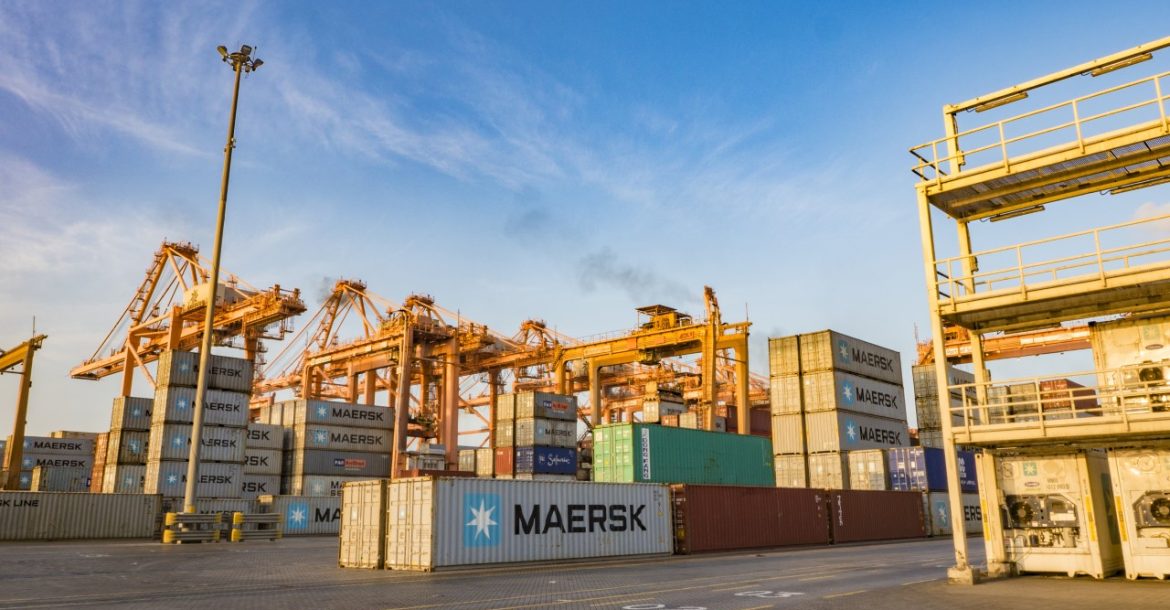

MUSCAT: The Port of Salalah has installed mobile cranes to enhance its general cargo handling capabilities as part of the port’s strategic initiatives to increase capacity and improve efficiency to meet market growth requirements.
Mark Hardiman, CEO of Salalah Port, has confirmed that the port’s three new cranes come along with the port’s ability to handle larger vessels, and the new advanced equipment will improve the productivity of cargo handling operations in the port.
He added, “The three cranes are of different models, the most important of which is the Liebherr crane, which is designed to significantly improve the productivity of dry bulk and packed cargo operations. The productivity of the LHM600 crane, which is equipped with a large hook, reaches 1000 tons per hour with a span of 58 meters. Therefore, this equipment is an ideal solution for handling vessels of up to size (New-Panamax) thus reducing cost for exporters.”
Read More
- Oman’s CPA shuts marble and ceramic trading firm in Rustaq over consumer complaints
- Saudi Airlines to launch direct Muscat-Riyadh flights from October 27
- Oman, Saudi Arabia to strengthen economic partnership at 7th coordination committee meeting
- Consumer Protection Authority seizes 1,236 non-compliant school products in Muscat
- Future Fund Oman invests RO 4 million in Maternal and Fetal Care Centre in Muscat
He explained that the port’s current and ongoing investments underscore its long-term commitment to meet the increasing market demands while improving the competitiveness of Omani exports through efficient operations.
“The new addition to the fleet of equipment owned by the port will help improve its operational efficiency and enhance its ability to handle cargo, as Salalah Port continues its diligently active contribution to the Oman 2040 vision, and is working on Supporting the economic diversification strategy in the Sultanate of Oman,” Ahmed bin Suhail Qatan, CEO of the General Cargo Terminal in Salalah Port, said.
The Port of Salalah, with its strategic location on the path of global shipping lines linking Asia and Europe, provides services to markets located in East Africa, the Red Sea, the Indian subcontinent and the Arabian Gulf.






