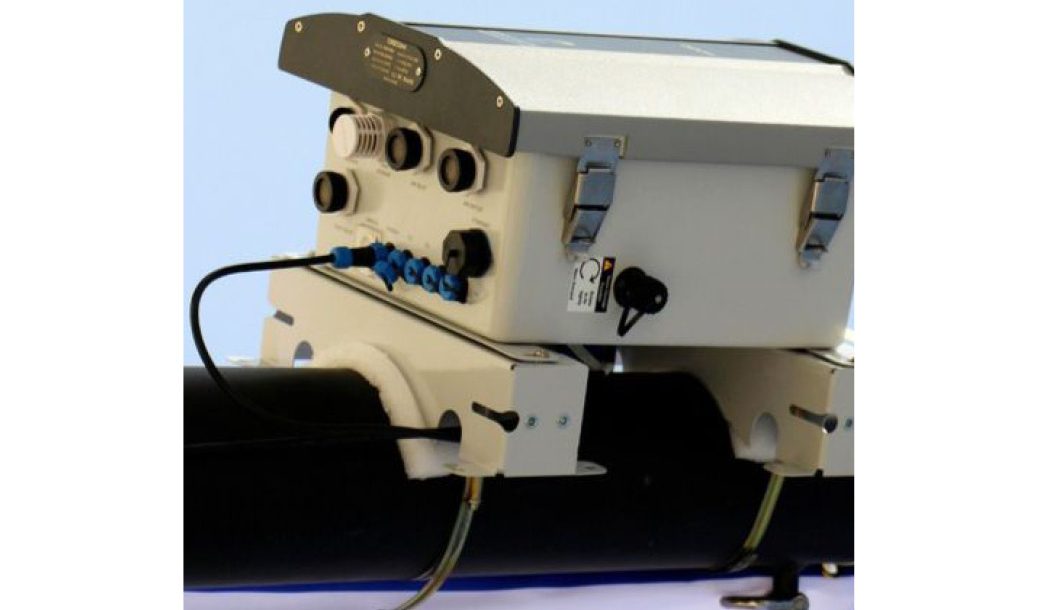

MUSCAT: The National Energy Center inaugurated the smart environment device project as part of Oman Sustainability Week.
The inauguration ceremony was sponsored by His Excellency Dr. Ali bin Amer Al Shedani, Undersecretary of the Ministry of Transport and Communications and Information Technology for Communications and Information Technology, within the memorandum of cooperation between the National Energy Center and the Ministry of Transport, Communications and Information Technology.
The idea behind the project is to develop smart city technologies by adopting and applying modern technologies and solutions with the aim to benefit from the technical expertise related to smart city projects.
Read More
- Oman announces 2026 shrimp fishing season from September 1 to November 30
- How Oman Customs uses data and intelligence to foil drug smuggling
- SalamAir launches direct Muscat-Sylhet service, becoming first foreign airline on route
- Oman Education Ministry processes over 12,000 student transfers after technical issues addressed
- Oman’s National Polio Laboratory achieves 100% in WHO proficiency test
The launch, installation and operation of this project is to provide a technical platform for monitoring the surrounding atmosphere in the Knowledge Oasis Muscat, Duqm Special Economic Zone and Madinat Al Irfan.
This device provides the ability to track harmful and toxic gases that result in creating an uncomfortable environment, through instantaneous readings captured by the device’s sensors and measuring wind speed and direction.
The device also provides an overview of the air quality index in real time by giving daily information about the extent of the cleanliness or pollution of the air and what it may cause from negative health effects that a person may suffer during the few hours or days after inhaling polluted air, and the calculations are based on five measurements The main pollutants are: nitrogen dioxide, carbon monoxide, ground ozone, sulphur dioxide and particulates with a diameter of less than 10 microns and 2.5 microns.
This device also helps to maintain the cleanliness of the surrounding air within the required standards, which may be highly polluted as a result of human activities, and emissions resulting from the combustion of fuels for energy, water, transportation and industrial activities.





